
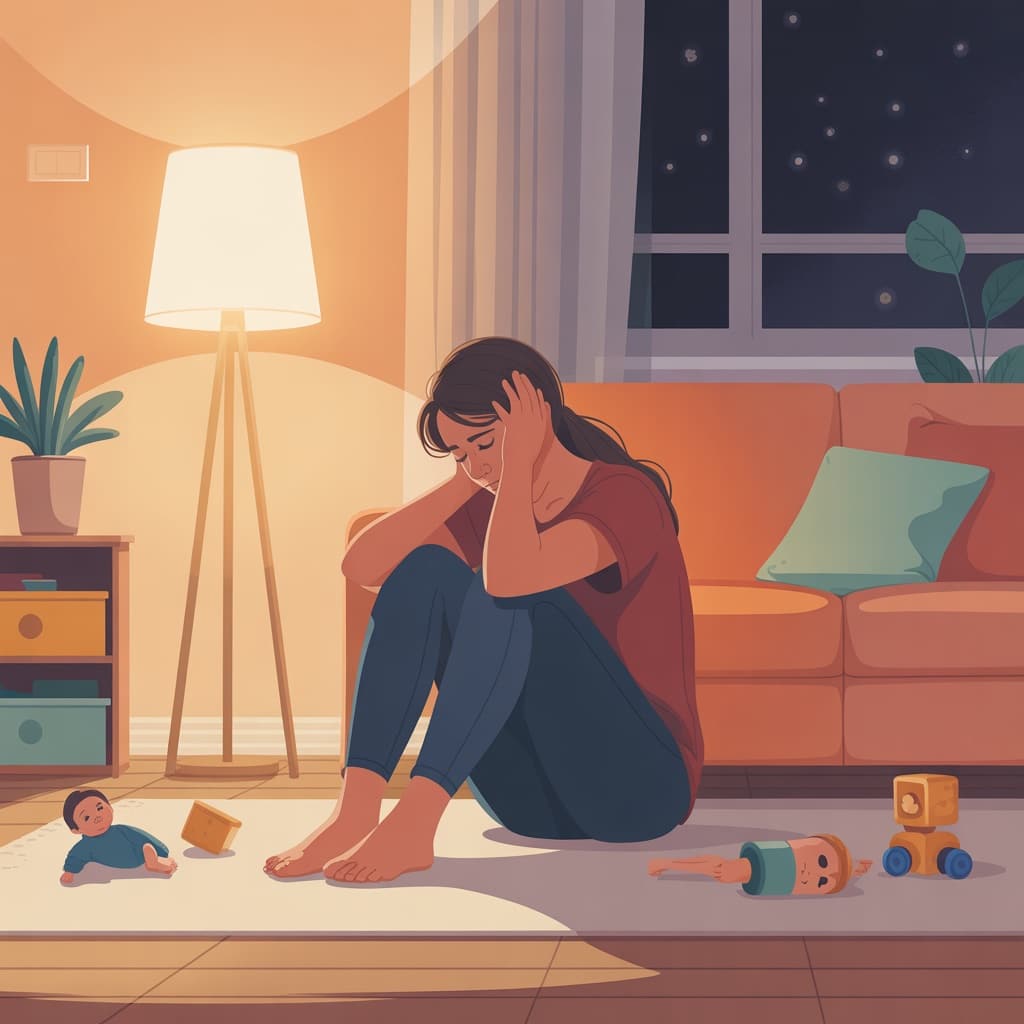
You’re surrounded by people: your child, your partner, coworkers, other parents at daycare pickup. And yet somehow, parenting feels like the loneliest thing you’ve ever done. If that sentence hits close to home, you need to hear this: you are not broken, and you are not alone in feeling alone.
Parenting loneliness is not a personal failure. It is one of the most common and least talked-about experiences of modern parenthood, and there is real, science-backed evidence for why it happens. Understanding the “why” does not erase the ache, but it can help you stop blaming yourself for it.
Is It Normal to Feel Lonely as a Parent?
Yes. It is completely normal, and it is far more common than most parents realize.
Nearly 4 in 10 parents in the same survey said they have no one to support them in their parenting role. That is not a small, quiet minority. That is most parents.
Feeling lonely as a parent does not mean you do not love your child. It does not mean something is wrong with your family. It means you are human, and your very real need for adult connection, for being truly seen and understood, is not being met.
Why Does Parenting Feel So Lonely? The Real Reasons
The loneliness of parenting is not random. It has roots in biology, in modern culture, and in the gap between what we expected parenthood to look like and what it actually is.
You lost your village
Humans evolved to raise children cooperatively, surrounded by extended family, neighbors, and community members who shared the load. The phrase “it takes a village” is not just a platitude. Our ancestors were not meant to do this alone.
Your social circle shrank
Priorities shift toward the baby. Friends without kids may stop sending invites, assuming you are too busy. Plans get canceled because someone is sick, the sitter bailed, or you are simply too exhausted to form a coherent sentence. Slowly, quietly, your social world contracts.
You are a different person now
Becoming a parent does not just change your schedule. It changes who you are at a fundamental level. Your sense of self, how you spend time, what you love, and how others see you all shift. New parents can feel alienated not only from their social networks, but from their previous selves.
Social media delivers comparison
Instagram and TikTok were supposed to make us feel more connected. For parents, they often do the opposite. When you are sleep-deprived and scrolling past flawless nursery reveals and serene outdoor play sessions, your actual life can feel like evidence that you are failing.
The guilt of feeling lonely makes it worse
Many parents feel profound guilt for feeling lonely at all: I wanted this. I chose this. I love my child. So why do I feel so alone? That guilt keeps the loneliness sealed inside, which is exactly how it grows.
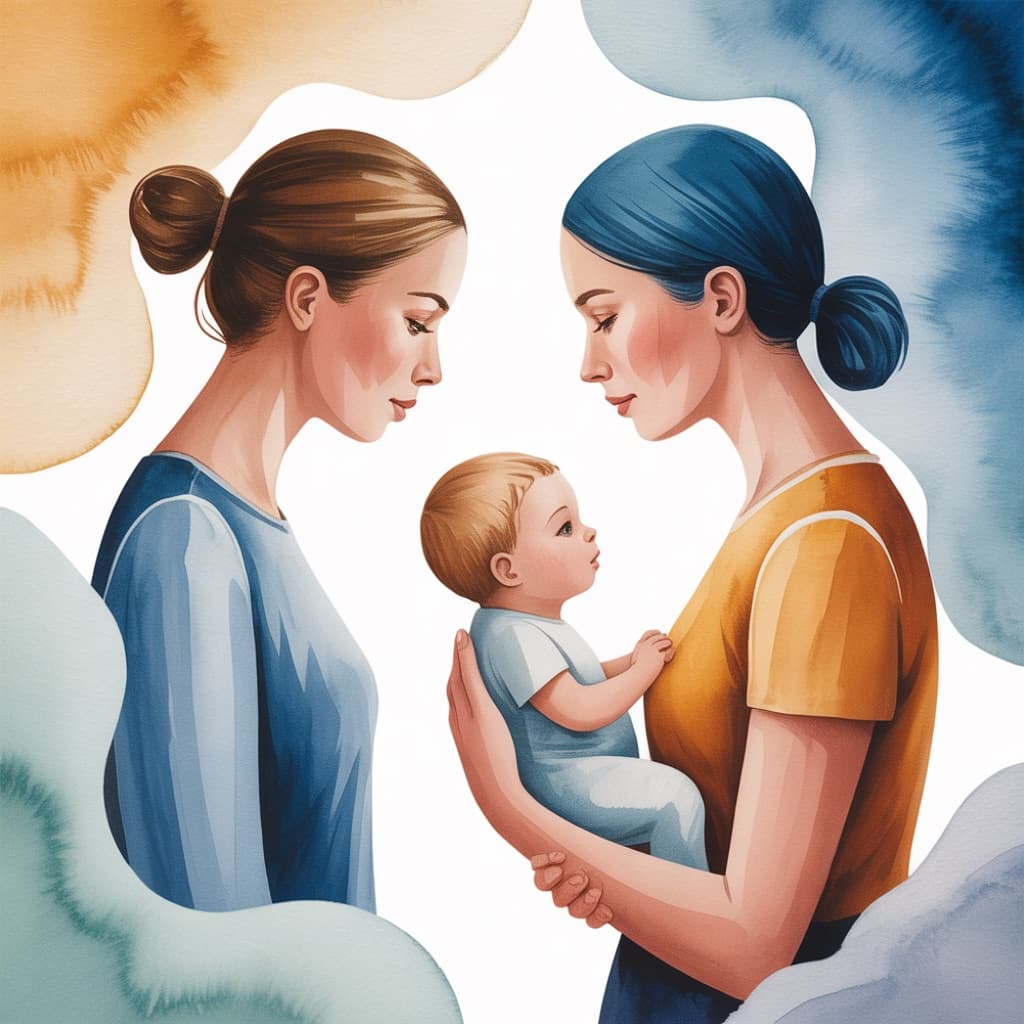
And there is a painful irony: just when you most need people to ask “How are you doing?”, everyone asks about the baby. Your personhood quietly gets buried under feedings and milestones, and the loneliness that follows is not just about missing friends. It is about missing yourself.
The antidote to loneliness is not just more people in your house. It is feeling genuinely understood by someone. As Brene Brown writes in Braving the Wilderness, “Never underestimate the power of being seen.” Being seen requires the kind of vulnerability that our culture of perfect parenting makes very hard to practice.
Who Feels This Most? More People Than You Think
Parenting loneliness does not discriminate, but some groups carry a heavier load.
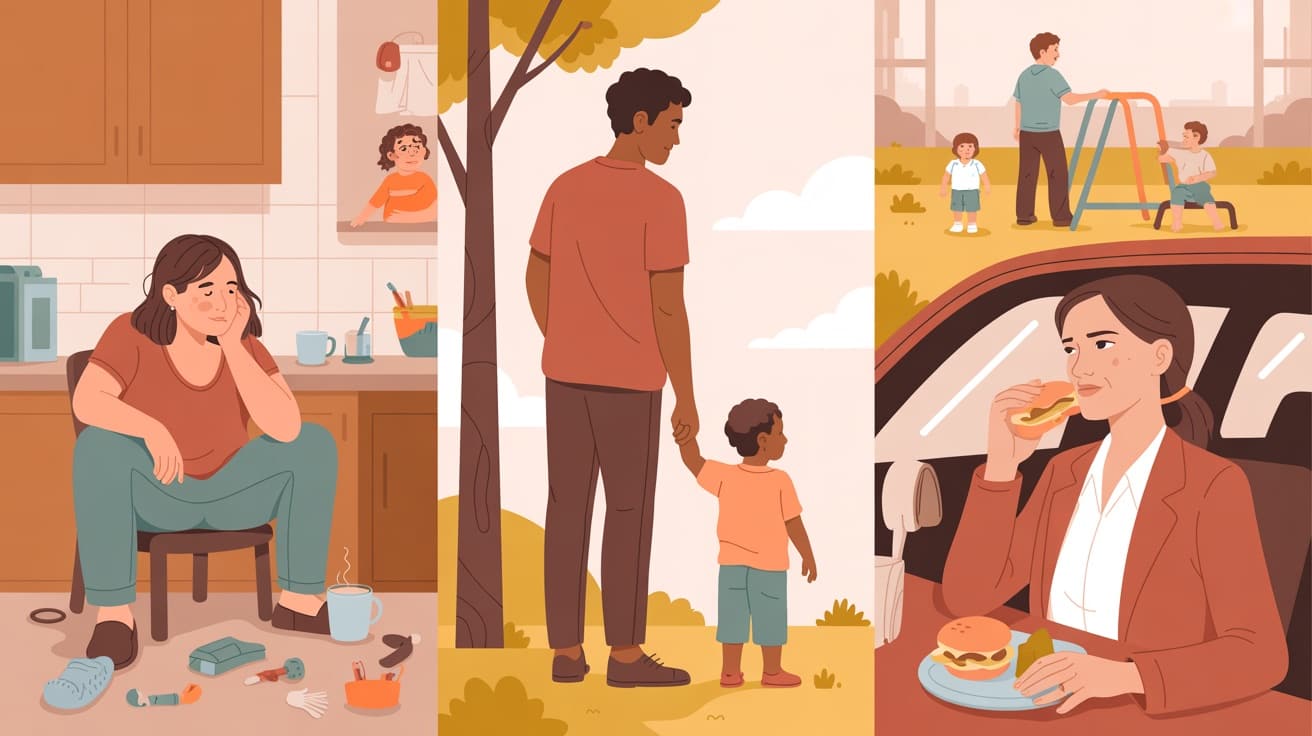
New parents face the sharpest drop: a rush of visitors in the first weeks, then sudden silence as everyone returns to their normal lives while yours has been permanently rearranged. Single parents face particular isolation: Cigna’s 2021 research found that 77% of single parents are considered lonely, compared with 65% of parents overall. There is no one to tag in when you are at the end of your rope. No witness to the hard moments.
Stay-at-home parents can go entire days without meaningful adult conversation. Working parents find that video calls and tunnel-vision school pickups do not fill the gap either. And dads, often the overlooked group in this conversation, experience profound parenting loneliness too. Research shows that lonely fathers had higher rates of depression than lonely mothers, and men face the added burden of cultural expectations that make vulnerability feel like weakness.
Does Parental Loneliness Affect Your Kids?
This matters, and it matters deeply. A 2023 study in the Journal of Affective Disorders Reports found that parental loneliness and stress were associated with higher anxiety, depression, social withdrawal, and impulsivity in children. Loneliness is not just a personal experience. It ripples outward.
Why Do I Feel Alone Even Though I Have a Family?
Because loneliness is not about physical proximity. It is about the quality of connection, specifically whether your emotional needs are being met. You can be surrounded by family and still feel profoundly unseen.
Dr. Aparna Iyer, a board-certified psychiatrist specializing in reproductive mental health, describes parenting as often feeling like a solo journey even within a marriage: the late-night feeds, the insomnia, the mental load carried alone. Your partner may love you deeply and still not quite see what you are carrying. That gap, between love and being truly understood, is exactly where parenting loneliness lives.
This is why connection with other parents specifically matters so much. Not because they are better friends, but because shared experience creates a kind of understanding that no well-meaning outsider can fully replicate.
Yes, this is hard. No, you are not failing.
Daily Parent is a free iOS app with affirmations designed specifically for the emotional weight of parenthood: guilt, comparison, exhaustion, and the moments when you need to be reminded that you are enough. No perfection required.
Download on theApp StoreHow Do You Deal With Loneliness as a Parent?
There is no quick fix, but there are real things that help. Start small. The goal is not to rebuild your social life overnight. It is to create one genuine moment of connection at a time.
- Name it first. Saying “I feel lonely” out loud, in a journal, or to a friend removes some of its power. Loneliness functions like hunger: it is a signal, not a verdict.
- Seek out parents in similar seasons. Parent groups, playgroups, local parenting communities, and honest online spaces can provide the “same here” validation parents often need.
- Tell your partner what you actually need. Partners cannot read minds. Try specifics like “I need 30 uninterrupted minutes this weekend” or “I need you to ask how I am doing, not just logistics.”
- Practice self-compassion. The kinder you are to yourself, the more capacity you have to reach out, and the less isolated you feel even before anything externally changes.
- Ask for help. Asking for help can feel like admitting defeat. It is not. Humans were never meant to do this alone. Accepting help is how the village actually works.
Does Parenting Get Less Lonely?
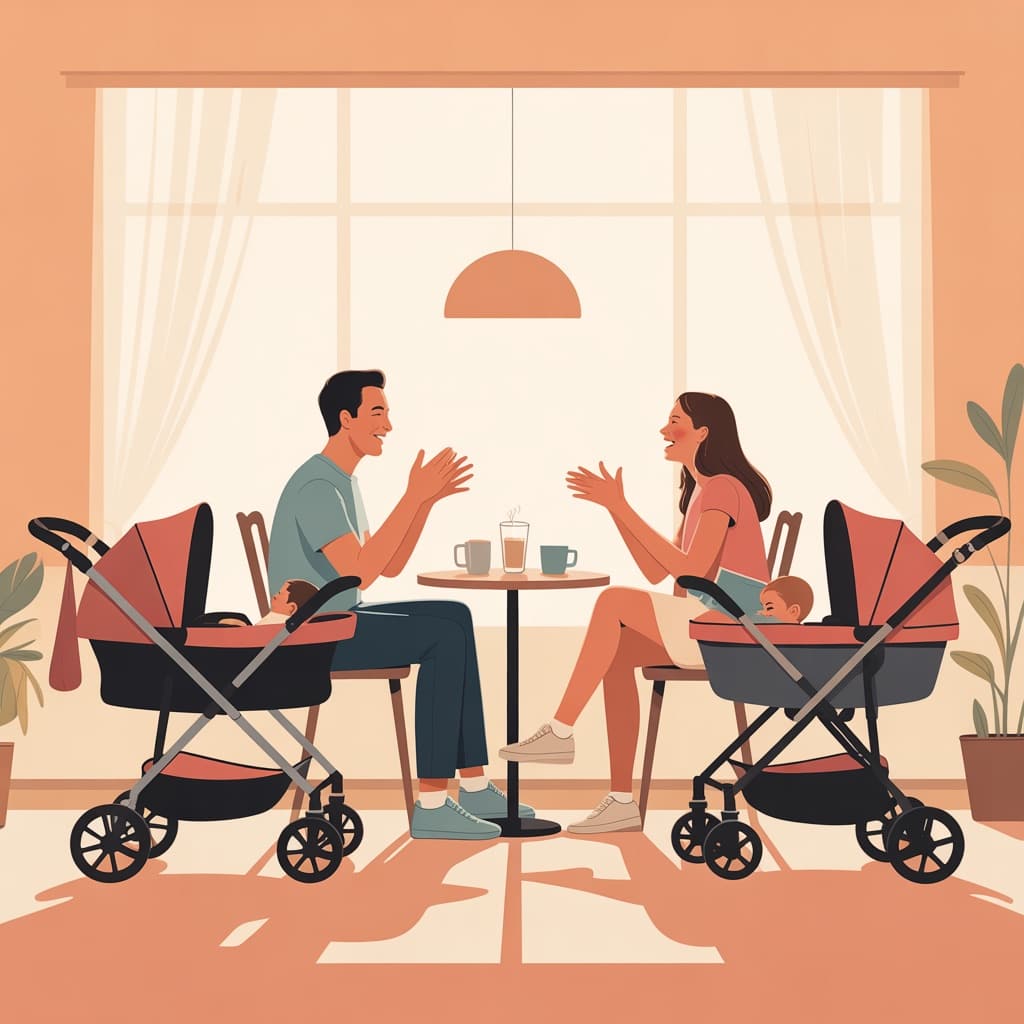
For most parents, yes, though not on a tidy timeline. As children become more independent and parents find their footing, the acute isolation of early parenthood often softens. The social world gradually rebuilds, even if it looks different than before. A 2025 Cigna survey found that loneliness decreases as children get older, though it does not disappear entirely. Parents of children ages 6 to 17 still reported significant loneliness, just somewhat less than parents of children under five.
What makes the biggest difference is not time alone. It is connection. The parents who navigate loneliness best are those who name it, reach out for support, and extend themselves the same compassion they would offer a friend. That starts today, not when things calm down. They rarely just calm down.
Frequently Asked Questions
Why do I feel so lonely as a parent?
Parenting loneliness stems from a combination of factors: shrinking social circles, identity changes, loss of the village-style support system humans evolved with, and exhaustion that leaves little energy for meaningful connection. It is not a reflection of how much you love your child. It is a signal that your own emotional needs are not being fully met.
Is it normal to feel lonely as a new parent?
Very much so. Research consistently shows that new parents are among the highest-risk groups for loneliness. A 2024 Ohio State University survey found that 66% of parents feel isolated and lonely, and around one-third of new parents report feeling lonely often or always. The feelings of loneliness you are experiencing are both real and normal.
Why is motherhood so isolating?
Motherhood brings an intense identity shift, a dramatic reduction in adult social contact, the pressure of cultural expectations around perfect parenting, and the sting of social media comparison. Mothers are also more likely than fathers to take on the primary caregiving role, which can limit social time further.
How do you deal with loneliness as a parent?
Start by naming the feeling. Loneliness is a signal, not a failure. Then look for shared-experience connection: other parents in a similar season of life, local groups, or online communities where people are honest. Practice self-compassion, communicate your needs clearly to your partner, and accept help when it is offered.
How does parental loneliness affect children?
Parental loneliness can ripple outward. Research has linked parental loneliness and stress with higher anxiety, depression, and social withdrawal in children. This is not about blame. It is a reminder that addressing your own wellbeing is also caring for your child.
Why do I feel alone even though I have a family?
Loneliness is not about physical proximity. It is about the quality of emotional connection. You can be surrounded by people who love you and still feel unseen or misunderstood. The loneliness that comes from not having your experience recognized is just as real as the loneliness of being physically alone.
Does parenting get less lonely?
For many parents, yes. As children become more independent and parents establish new social rhythms, the acute isolation of early parenthood often eases. The transition is helped most by actively building connection and practicing self-compassion, rather than waiting for things to improve on their own.
Why do parents feel burned out?
Parental burnout is closely linked to loneliness. Burnout and isolation tend to reinforce each other. When you are pouring everything into caregiving without receiving adequate support or connection in return, exhaustion becomes inevitable. Burnout is not a character flaw. It is what happens when the demands exceed the support available.